Preventing type 2 diabetes: habits that work
15 June 2026 · By Glucose.mu · Updated 17 June 2026

Type 2 diabetes is often preventable
Type 2 diabetes is common in Mauritius, but it is not an inevitable part of getting older. A large body of research shows that the right habits can sharply reduce the risk, and can even reverse the early stage known as prediabetes. The earlier you act, the more powerful these habits are. This guide brings together the changes that make the biggest difference.
Why prevention is worth the effort
Type 2 diabetes develops when insulin resistance and a struggling pancreas push blood sugar above healthy levels for good. Over years, high blood sugar can damage blood vessels and nerves, raising the risk of heart disease, kidney problems, eye damage and foot complications. Preventing or delaying diabetes protects all of these. Crucially, the same habits that prevent diabetes also support a healthier heart, weight and mood.
Habit one: lose a little excess weight
If you carry extra weight, especially around the middle, losing even a modest amount makes a real difference. Studies show that losing around 5 to 10 percent of body weight can substantially lower the risk of progressing from prediabetes to diabetes. You do not need a dramatic transformation. Steady, sustainable loss through better food and more movement is more effective than crash diets that do not last.
Habit two: eat for steadier blood sugar
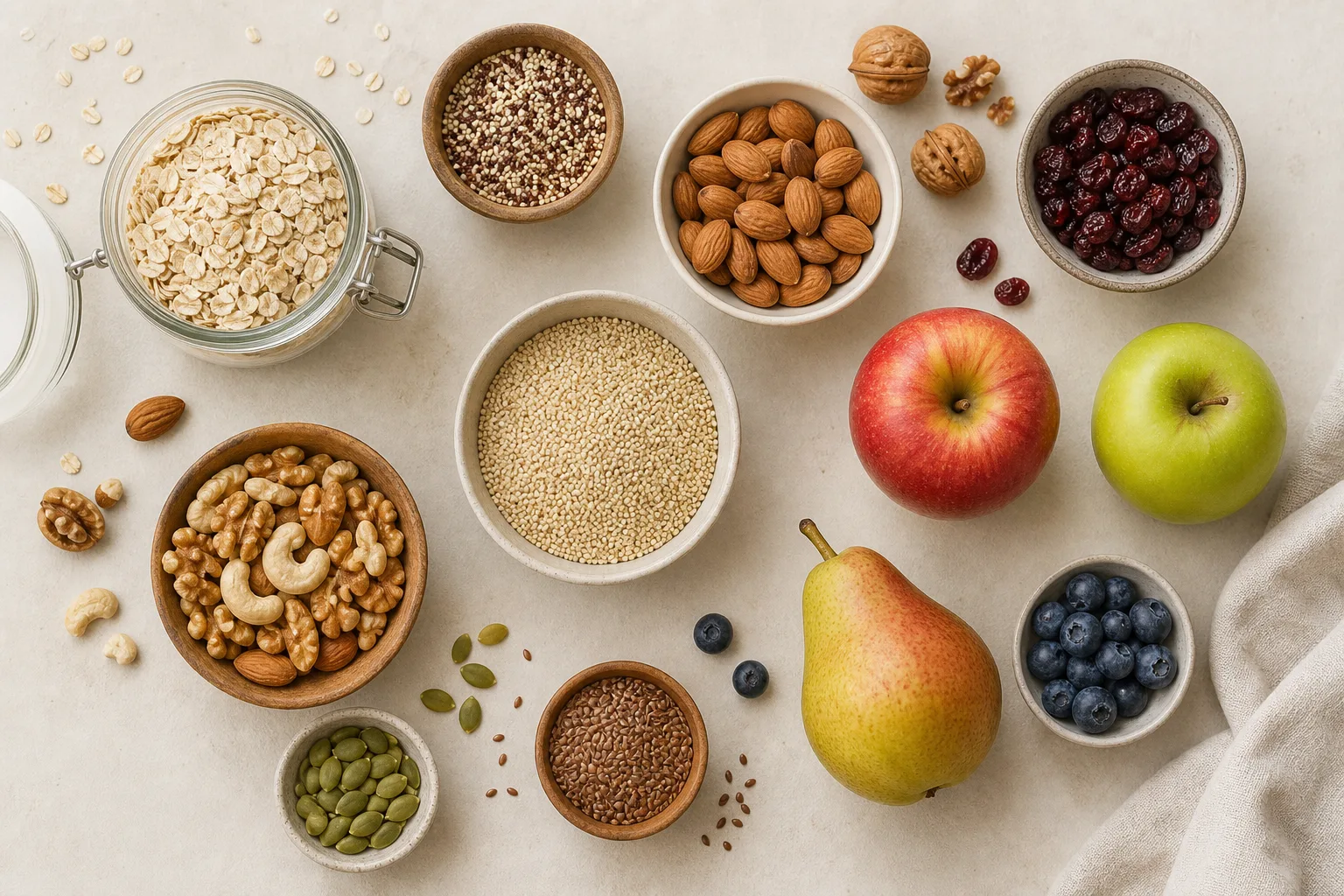
The eating pattern that prevents diabetes is not exotic. Build meals around vegetables, beans and lentils, whole grains, fish, eggs and lean protein, with whole fruit in sensible portions. Cut back on sugary drinks, refined starches and ultra-processed snacks, which demand large insulin responses.
Small swaps, repeated often
Choosing brown rice over white some of the time, water instead of soft drinks, whole fruit instead of juice, and dhal or vegetables to fill out a meal are simple changes. Done consistently, they ease the daily strain on your blood sugar system far more than any short term diet.
Habit three: move most days
Regular physical activity improves insulin sensitivity and helps with weight. Aim for around 150 minutes of moderate activity a week, such as brisk walking, plus some muscle-strengthening activity. A walk after meals is particularly helpful for blood sugar. Reducing long periods of sitting matters too. The point is consistency, not intensity.
Habit four: protect your sleep
Sleep is easy to overlook, but it has a real effect on metabolism. Regularly short or poor sleep is linked with higher blood sugar, stronger cravings and weight gain, partly through stress hormones and appetite signals. Aiming for around seven to nine hours of good quality sleep supports the rest of your efforts. If snoring or daytime sleepiness suggest a problem such as sleep apnoea, mention it to your doctor.
Habit five: manage stress
Ongoing stress raises hormones such as cortisol that can push blood sugar up and drive comfort eating. You cannot remove all stress, but you can build small habits that help, such as regular walks, time outdoors, prayer or quiet reflection, social connection and breaks from screens. These are not luxuries. They are part of metabolic health.
Habit six: avoid tobacco and limit alcohol
Smoking raises the risk of type 2 diabetes and worsens its complications, so quitting is one of the most valuable health steps you can take. Alcohol, if you drink, is best kept moderate, since sugary mixers and excess drinking can both affect blood sugar and weight.
Know your numbers and your family history
Because type 2 diabetes often develops quietly, regular checks matter, especially if you have a family history, are overweight or are over 40. Simple tests such as fasting glucose and HbA1c can reveal prediabetes while there is still time to act. Knowing your numbers turns a vague worry into a clear, manageable plan.
Progress, not perfection
You do not need to adopt every habit at once or do any of them flawlessly. The people who succeed usually start with one or two changes, make them routine, then add more. Each habit supports the others, and together they shift your whole trajectory toward better health.
When to talk to your doctor
This article is general health education, not personal medical advice. If you have prediabetes, a strong family history, or risk factors such as excess weight, talk to your doctor about screening and a prevention plan suited to you. Type 2 diabetes is largely preventable, and the habits that protect you also build a longer, healthier life.
Steady blood sugar is central to a longer, healthier life. Explore the wider Healthspan health ecosystem.