Blood sugar basics: glucose, insulin and energy
10 June 2026 · By Glucose.mu · Updated 17 June 2026

What blood sugar actually is
Blood sugar, also called blood glucose, is the amount of a simple sugar called glucose circulating in your blood at any moment. Glucose is your body's main everyday fuel. It powers your brain, your muscles and almost every cell you have. When people in Mauritius talk about controlling sugar, this is the number they mean.
Glucose comes mostly from the food you eat, especially carbohydrates such as rice, bread, roti, fruit and sweet drinks. During digestion these foods are broken down into glucose, which is absorbed into the bloodstream. From there it needs to get into your cells to be useful, and that is where insulin comes in.
How insulin moves sugar into cells
Insulin is a hormone made by the pancreas, a small organ tucked behind your stomach. Think of insulin as a key that unlocks your cells so glucose can enter and be used for energy. After a meal, blood glucose rises, the pancreas releases insulin, and glucose moves out of the blood and into the cells. Blood sugar then settles back toward a normal range.
This system is designed to keep your glucose within a fairly narrow band, not too high and not too low. When everything is working well, you barely notice it. Your energy stays reasonably steady through the day, and your body quietly stores any extra fuel for later.
Where extra glucose goes
Your body does not let spare glucose go to waste. Some is stored in the liver and muscles as glycogen, a quick-access reserve. When you have eaten more than you need over time, the rest can be stored as fat. This is normal, but a constant flood of easy sugars can keep the storage system working overtime.
Why steady blood sugar matters
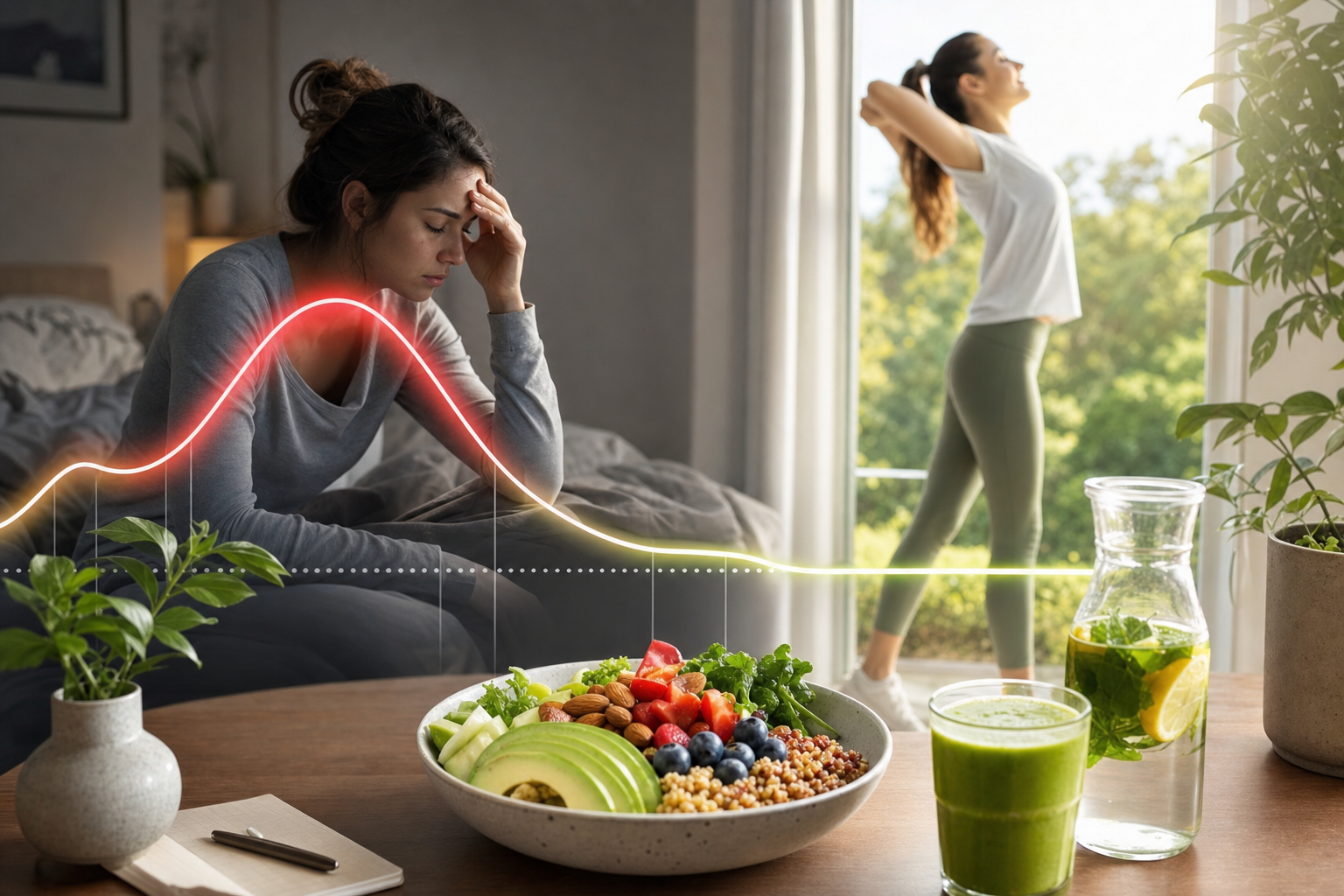
When blood sugar swings up and down sharply, you often feel it. A large sugary drink or a big plate of refined carbohydrate can send glucose up quickly, followed by a dip that leaves you tired, hungry again or unable to concentrate. Over months and years, repeatedly high blood sugar can strain the system that makes and responds to insulin.
Keeping blood sugar steady supports calmer energy, fewer cravings and, over the long term, healthier blood vessels, nerves and organs. It is one of the most useful foundations of metabolic health.
Signs your blood sugar may be high
Very high blood sugar can cause increased thirst, frequent urination, blurred vision and tiredness. Many people have no obvious symptoms at all, which is why simple blood tests matter. If you notice these signs or have a family history of diabetes, a check is worthwhile.
The role of food, movement and sleep
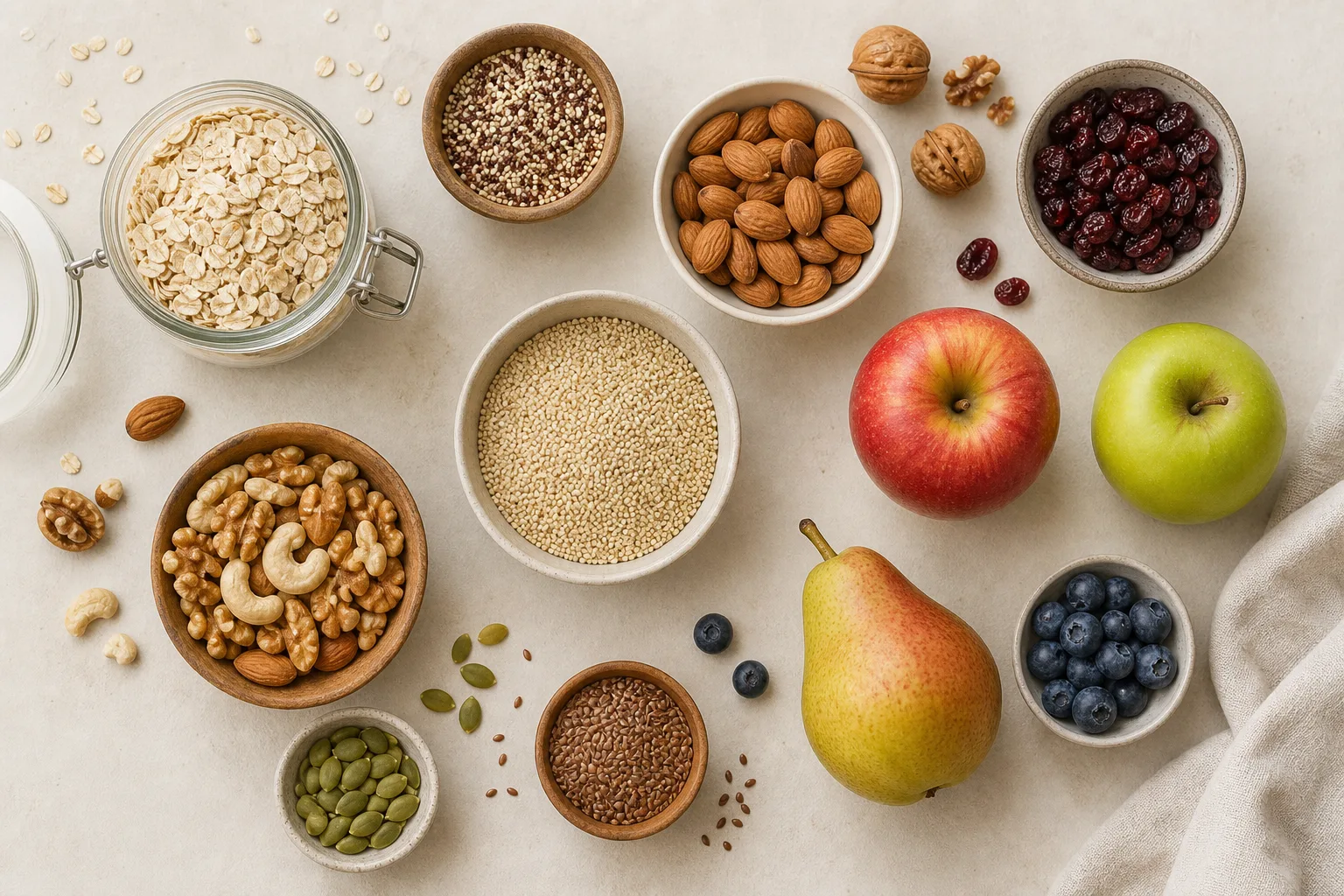
Three everyday things shape your blood sugar more than almost anything else. Food is the most direct: meals built around vegetables, beans and lentils, whole grains, fish and lean protein tend to raise glucose more gently than meals heavy in refined starch and sugar. Pairing carbohydrate with protein, fibre or healthy fat slows the rise.
Movement helps too. When you walk or exercise, your muscles pull glucose out of the blood, often without needing much insulin. Even a short walk after a meal can soften the spike. Sleep and stress matter as well, because poor sleep and ongoing stress can push blood sugar higher through hormones such as cortisol.
A simple way to think about it
Imagine your bloodstream as a road and glucose as traffic. Insulin is the system that keeps traffic flowing smoothly into side streets, your cells, so the main road never gets jammed. Healthy habits keep the traffic gentle and the side streets open. Too much sugar too often, with little movement, is like rush hour all day, every day.
When to talk to your doctor
This article is general education, not personal medical advice. If you are concerned about your blood sugar, have symptoms, are overweight, or have a family history of type 2 diabetes, talk to your doctor. A simple blood test can show where you stand, and your doctor can guide you on what the numbers mean for you. Understanding the basics is a strong first step, and small, consistent changes often make a real difference over time.
Steady blood sugar is central to a longer, healthier life. Explore the wider Healthspan health ecosystem.